Country Thunder Alberta 2026 Cancelled: A Warning for Live Music
The abrupt cancellation of Country Thunder Alberta 2026 due to new noise bylaws and infrastructure challenges serves as a stark reminder for the Canadian live music community. This event underscores the vital need for proactive engagement between event organizers, city officials, and residents to se
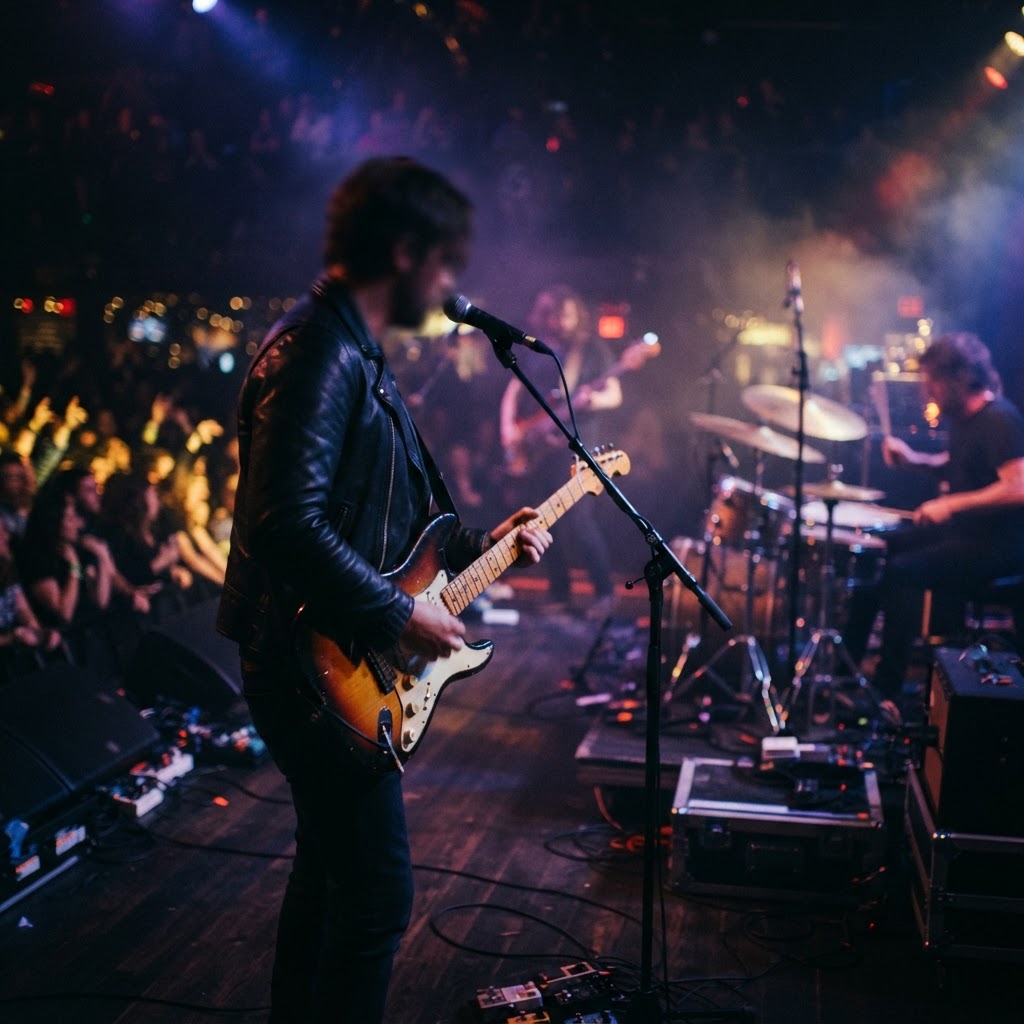
The vibrant pulse of Calgary's live music scene felt a significant tremor this past June with the unexpected cancellation of Country Thunder Alberta's 2026 festival, just two days before it was slated to kick off. This major event, which had headliners like The Red Clay Strays, Kane Brown, and Lainey Wilson, was called off due to a confluence of factors, primarily new restrictive sound limitations and escalating infrastructure challenges imposed by the City of Calgary [S1, S2]. For musicians, venue bookers, and live music fans across Calgary, this incident serves as a critical lesson in the evolving landscape of urban development and its profound impact on large-scale cultural events.
The Unforeseen Obstacles for Country Thunder Alberta
Country Thunder organizers cited several insurmountable issues that made staging the 2026 festival unworkable. These included active construction surrounding the festival site, a loss of key site infrastructure necessary for operations, and a last-minute installation of a water line bypass pipe through designated festival areas [S1, S2]. Crucially, a reduced decibel noise permit was also a major impediment, preventing the event from operating at standard production levels and compromising the fan experience [S1].
Kim Blevins, Executive Director for Country Thunder, stated that proceeding would have meant compromising on both safety and the fan experience, which they were unwilling to do. She emphasized that the new sound limitations would not have allowed them to deliver the experience fans paid for [S1, S2]. All ticket holders were offered full refunds [S1, S2].
The Broader Context: Calgary's Noise Bylaw Debate
The cancellation of Country Thunder Alberta didn't happen in a vacuum. It occurred amidst an ongoing city-wide debate regarding noise bylaws for summer festivals. In February 2026, Calgary City Council introduced a new rule setting a hard curfew for concerts to end at 12 am between Sunday and Thursday, following more than 225 complaints received after the previous year's Calgary Stampede [S3]. The city also reduced the maximum permitted volume level by five decibels overall [S3].
While a motion to reverse these changes was rejected in June 2026, the city council did amend the bylaw to allow a 30-minute extension for 'cool-down' music until 1 am on weekdays [S3]. This decision directly impacted major events like the Cowboys Music Festival, which operates outside Stampede Park grounds. Paul Vickers, a founding partner of Penny Lane Entertainment, which produces the Cowboys Music Festival, voiced strong concerns about the initial curfew:
"designed without consultation and unattainable for any event of this scale." — Paul Vickers (founding partner of Penny Lane Entertainment which produces the Cowboys Music Festival) (Billboard Canada).
Despite the strict concert hours, the Cowboys Music Festival company expressed gratitude for the lenience regarding cool-down music, viewing it as a positive step:
"This additional time will help significantly with safety and transportation issues. Their ongoing efforts to find practical solutions for 2026 on reasonable decibel limits that balance the interests of residents, businesses, attendees, and the broader community are appreciated. We see this as a good first step to addressing concerns of all stakeholders," — Cowboys Music Festival (company) (Billboard Canada).
This ongoing dialogue underscores the tension between urban development, resident concerns, and the operational realities of large-scale live music events.
What This Means for Artists and Venues
The cancellation of Country Thunder Alberta and the ongoing noise bylaw discussions in Calgary offer crucial insights for the entire live music ecosystem. For artists, understanding the regulatory environment of potential performance spaces – especially for larger events – is becoming increasingly important. Performance opportunities can be directly affected by city planning and resident feedback.
For venue bookers and event organizers, the message is clear: proactive and transparent communication with city officials and local residents is paramount. Relying on established norms may no longer suffice. It's essential to:
- Engage Early and Consistently: Become involved in city planning discussions, especially those related to urban development and noise regulations, long before event dates are set.
- Understand Local Bylaws: Thoroughly research and understand all relevant local bylaws, including noise restrictions, curfews, and infrastructure requirements, for any proposed event site.
- Advocate for Live Music: Join industry associations and participate in advocacy efforts to ensure the voice of the live music community is heard in policy-making.
- Plan for Contingencies: Develop robust contingency plans for potential infrastructure changes or last-minute regulatory shifts.
The Country Thunder Alberta situation highlights that the success and sustainability of live music programming, particularly at scale, hinge on a delicate balance of artistic vision, logistical planning, and seamless collaboration with municipal stakeholders. Platforms like WiKD LiVE can help artists and venues connect, but understanding the broader regulatory landscape is key to successful bookings and event execution in a rapidly changing urban environment.
FAQ
Why was Country Thunder Alberta 2026 cancelled?
Country Thunder Alberta 2026 was cancelled due to safety and operational barriers, including active construction surrounding the festival site, a loss of key site infrastructure, a last-minute water line bypass pipe installation, and new restrictive sound limitations imposed by the City of Calgary [S1, S2].
What were the new noise limitations in Calgary that affected festivals?
The City of Calgary introduced a new rule setting a hard curfew for concerts to end at 12 am between Sunday and Thursday, and reduced the maximum permitted volume level by five decibels overall [S3]. While a motion to push back concert curfews was rejected, the city did extend 'cool-down' music until 1 am on weekdays [S3].
Did the new curfews affect all festivals equally?
The new curfew laws impacted major events outside Stampede Park, such as the Cowboys Music Festival, but did not affect events on the grounds of Stampede Park, as their music already ended before the cutoff time [S3].
Sources & quotes
Each quote below was checked word for word against the linked page before this story was published.
“designed without consultation and unattainable for any event of this scale.”
— Paul Vickers, founding partner of Penny Lane Entertainment which produces the Cowboys Music Festival · Calgary City Council Upholds Controversial New Curfew for Summer Festivals
“This additional time will help significantly with safety and transportation issues. Their ongoing efforts to find practical solutions for 2026 on reasonable decibel limits that balance the interests of residents, businesses, attendees, and the broader community are appreciated. We see this as a good first step to addressing concerns of all stakeholders,”
— Cowboys Music Festival, company · Calgary City Council Upholds Controversial New Curfew for Summer Festivals
WiKD LiVE
The stage is one swipe away.
Artists find paid gigs. Venues fill the calendar. Swipe right to book.